
News and Information

Basic principles of PWM control
Release date:
2022-12-02 16:02
Source:
Narrow pulses with equal impulse but different shapes have the same effect when applied to the link with inertia. According to the PWM control principle, the waveform is divided into 6 equal parts, which can be replaced by 6 square waves equivalently. There are many classification methods of pulse width modulation, such as unipolar and bipolar, synchronous and asynchronous, rectangular wave modulation and sine wave modulation, etc. The unipolar PWM control method means that the carrier only changes in one direction within half a cycle, and the resulting PWM waveform only changes in one direction, while the bipolar PWM control method changes the carrier in two directions within half a cycle, and the resulting PWM waveform The waveform also changes in both directions.

According to whether the carrier signal is synchronized with the modulation signal, PWM control can be divided into synchronous modulation and asynchronous modulation. The characteristic of rectangular wave pulse width modulation is that the output pulse width columns are of equal width, and can only control harmonics of a certain order; The output waveform is close to a sine wave. Sine wave pulse width modulation is also called SPWM. Generating pulse width according to control signal is the key of this technology. Commonly used triangular wave comparison method, hysteresis comparison method and space voltage vector method.
Previous page
Recommended News
RECOMMEND NEWS
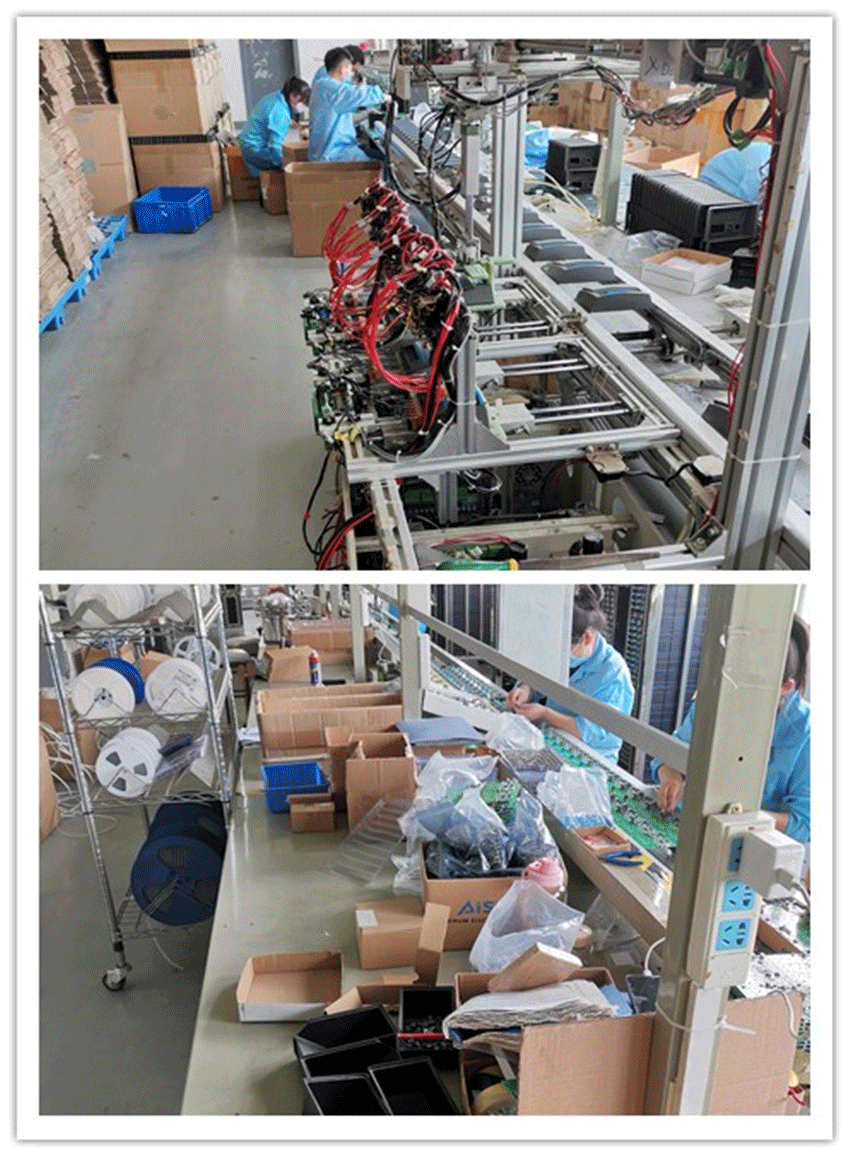
Wuhan Hanfei Technology Co., Ltd. has started! ! !
2025-09-17
On April 8, 2020, Wuhan City completely lifted the ban, and our Wuhan Hanfei also resumed production. Now welcome new and old customers to consult.

Hanfei Technology participated in the 2019 Dubai Exhibition
2025-09-17
Hanfei Technology participated in the 2019 Dubai Exhibition
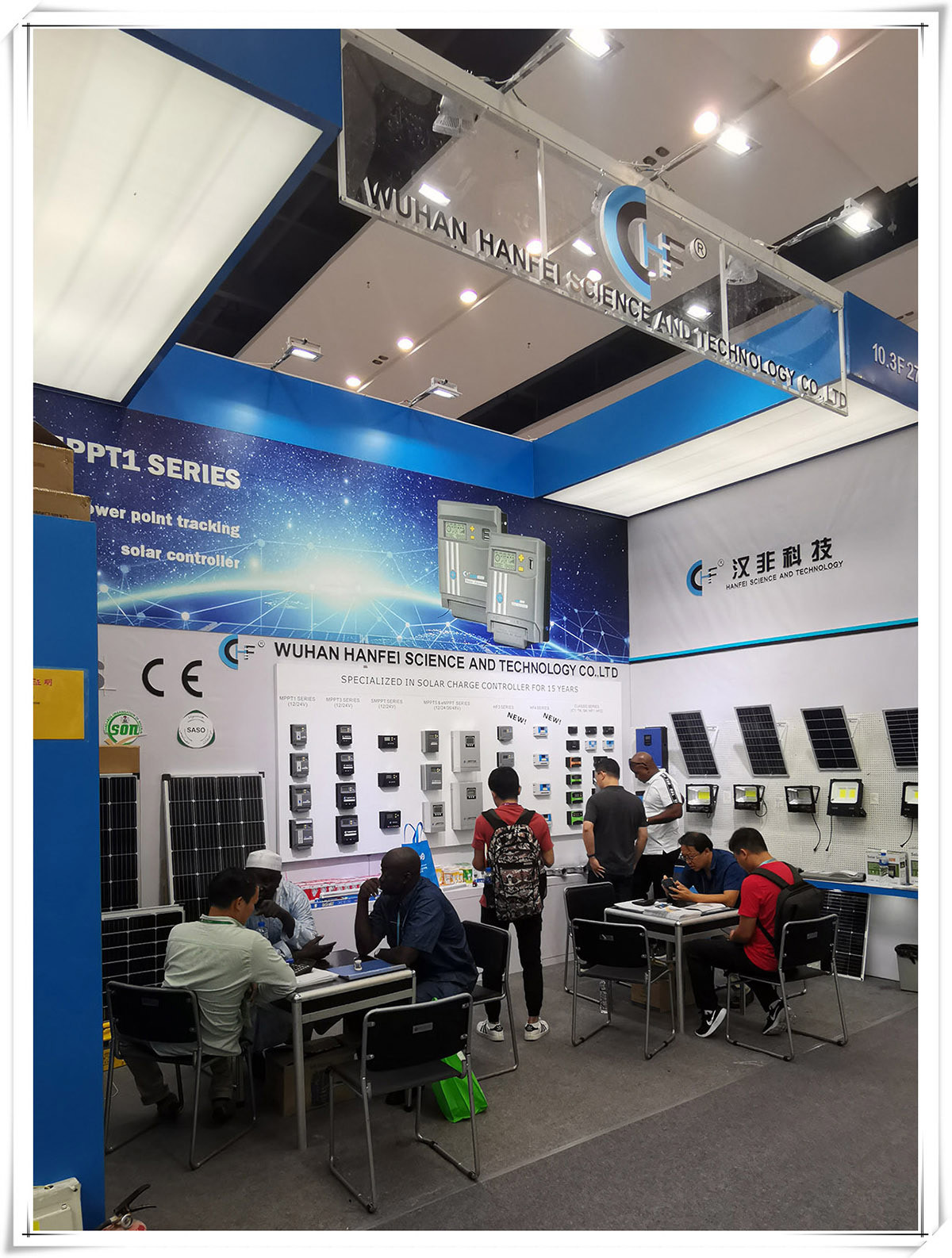
Hanfei Technology is waiting for you at the 126th Canton Fair
2025-09-17
The 126th Canton Fair was held from October 15th to May 5th in Guangzhou Pazhou Complex.


