
News and Information

Essential Information about Solar Regulators in Low-Voltage Control Systems
Release date:
2024-05-03 09:04
Source:
When it comes to low-voltage control systems in the electrical industry, solar regulators play a crucial role in ensuring the efficient and safe operation of solar panels. A solar regulator, also known as a charge controller, is responsible for regulating the voltage and current from solar panels to the batteries, preventing overcharging and damage to the batteries.
One key function of a solar regulator is to monitor the battery voltage and regulate the charging process accordingly. It ensures that the batteries are charged at the optimal voltage and current levels, maximizing their lifespan and performance. Additionally, solar regulators protect the batteries from overcharging, which can lead to reduced battery life and even damage.
There are two main types of solar regulators: PWM (Pulse Width Modulation) and MPPT (Maximum Power Point Tracking). PWM regulators are cost-effective and suitable for smaller systems, while MPPT regulators are more advanced and efficient, especially for larger systems where maximizing power output is crucial.
Another important aspect of solar regulators is their ability to manage the flow of electricity from the solar panels to the batteries and the electrical load. By controlling the charging and discharging process, solar regulators ensure that the system operates smoothly and efficiently, optimizing the use of solar energy.
In conclusion, solar regulators are essential components in low-voltage control systems for the electrical industry. Understanding their functions and importance can help ensure the effective and reliable operation of solar energy systems. By choosing the right type of solar regulator and properly installing it, you can maximize the performance and longevity of your solar panels and batteries.
Recommended News
RECOMMEND NEWS
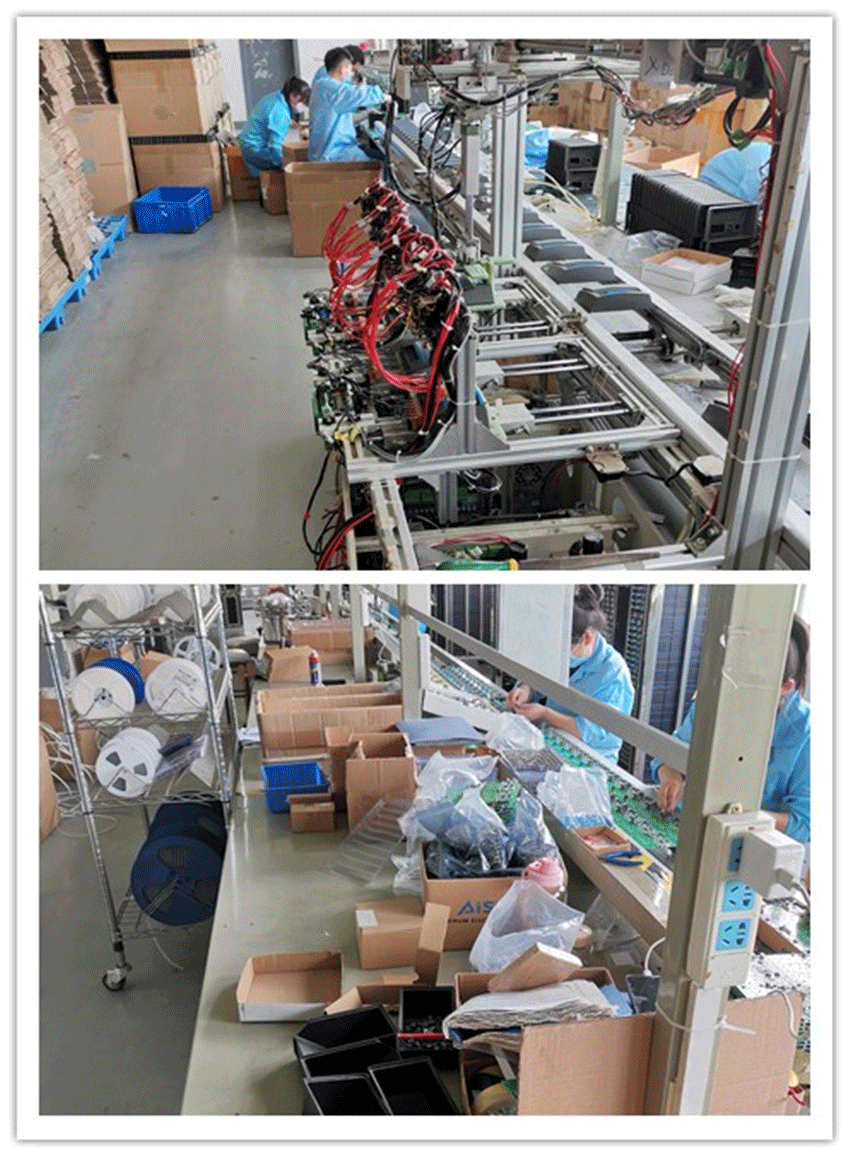
Wuhan Hanfei Technology Co., Ltd. has started! ! !
2025-09-17
On April 8, 2020, Wuhan City completely lifted the ban, and our Wuhan Hanfei also resumed production. Now welcome new and old customers to consult.
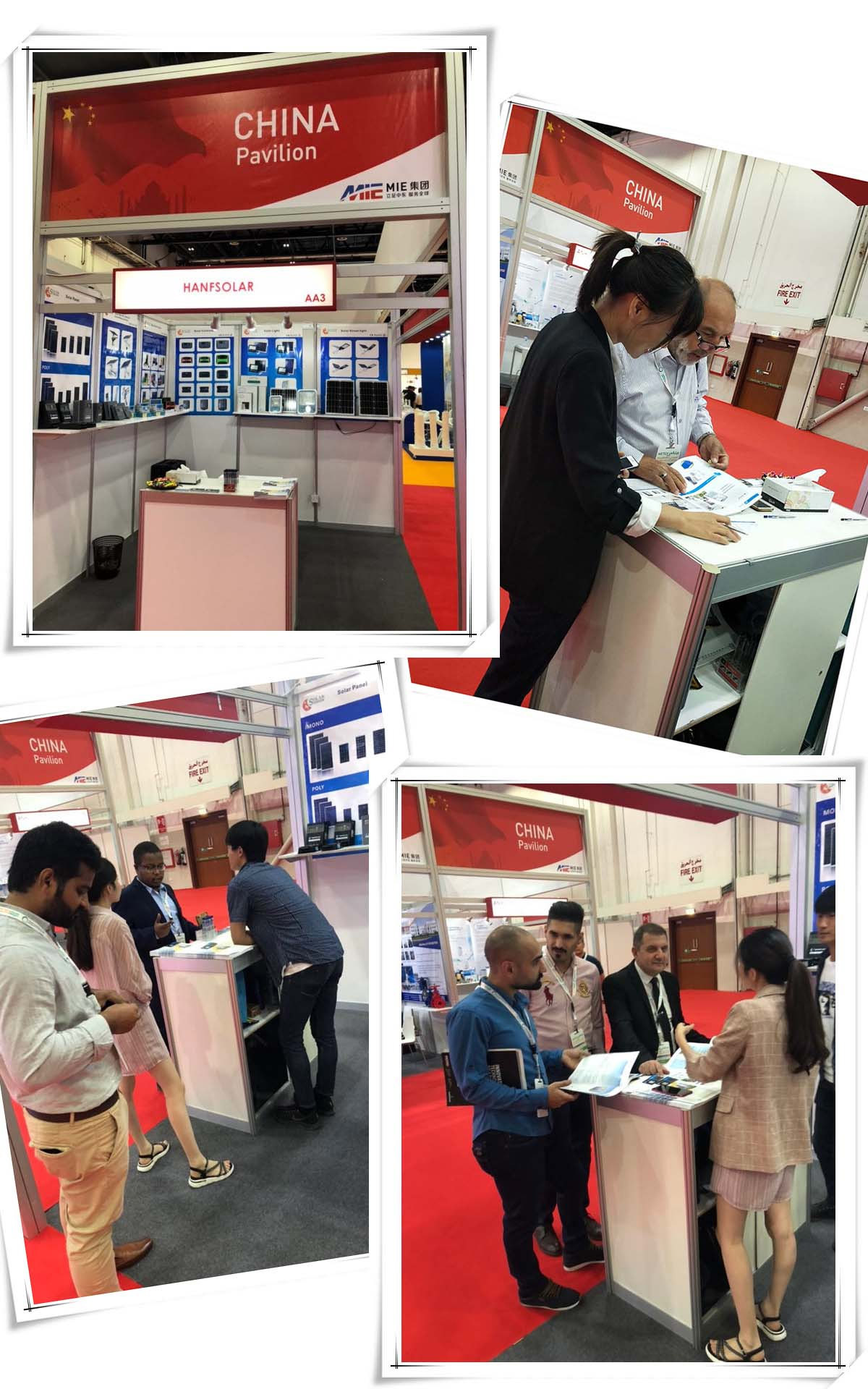
Hanfei Technology participated in the 2019 Dubai Exhibition
2025-09-17
Hanfei Technology participated in the 2019 Dubai Exhibition
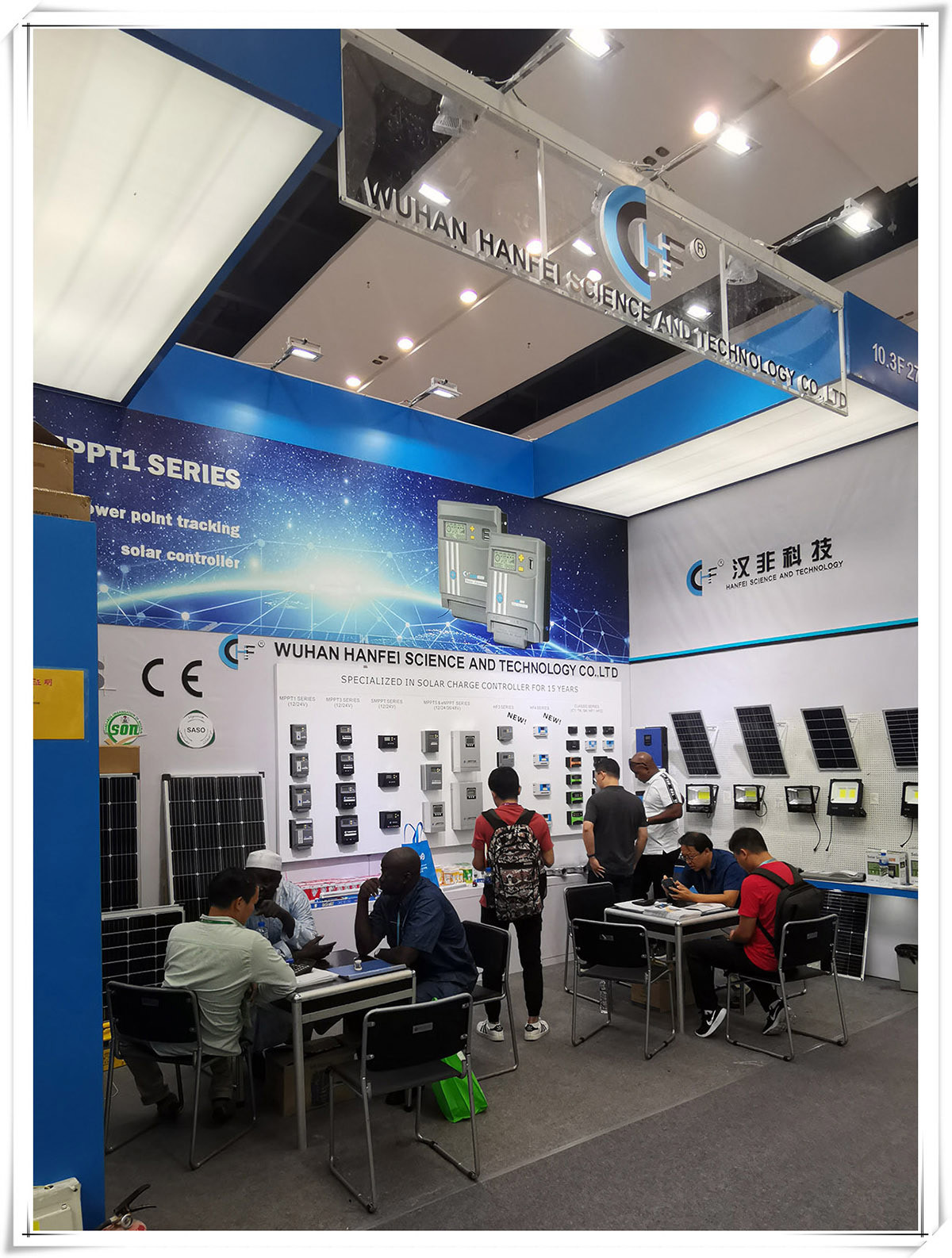
Hanfei Technology is waiting for you at the 126th Canton Fair
2025-09-17
The 126th Canton Fair was held from October 15th to May 5th in Guangzhou Pazhou Complex.


