
News and Information

The Essential Guide to Charge Controllers: Maximizing Efficiency in Low Voltage Electrical Systems
Release date:
2024-08-13 09:01
Source:
---
Charge controllers are vital components in low voltage electrical systems, especially for those relying on renewable energy sources like solar panels. Their primary function is to regulate the voltage and current coming from the energy source to the batteries, ensuring safe and efficient charging. By doing so, they prevent overcharging, which can damage batteries and reduce their lifespan.
When operating in low voltage applications, a charge controller helps maintain the proper charging parameters, improving overall system efficiency. There are two main types of charge controllers: PWM (Pulse Width Modulation) and MPPT (Maximum Power Point Tracking). PWM controllers are typically more cost-effective and sufficient for smaller systems, while MPPT controllers are more advanced and can significantly increase the charging efficiency, particularly in larger installations or those with variable conditions.
One of the most important aspects of charge controllers is their ability to protect batteries from over-discharge. In scenarios where the energy source is not generating sufficient power—such as during cloudy days for solar systems—the charge controller will disconnect the load from the batteries to prevent them from discharging too much. This feature not only prolongs the life of the batteries but also maintains the system's integrity.
Additionally, many modern charge controllers come with integrated features such as LCD displays and Bluetooth connectivity, allowing users to monitor their energy systems in real-time. This kind of visibility is crucial for effective energy management, as it enables users to make informed decisions about their power consumption and storage.
Choosing the right charge controller is essential for optimizing the performance of your low voltage electrical systems. Factors to consider include the type of energy source, the size of the battery bank, and the expected load requirements. Proper sizing and selection ensure that the charge controller can handle the energy fluctuations typical in renewable energy systems, ultimately enhancing efficiency and reliability.
In summary, charge controllers play an indispensable role in managing energy within low voltage electrical systems. They not only maximize energy use but also safeguard batteries, ensuring longevity and optimal performance. Understanding their functionality and selection criteria can lead to significantly improved outcomes in energy management, making them an essential consideration for anyone involved in low voltage electrical applications.
Recommended News
RECOMMEND NEWS
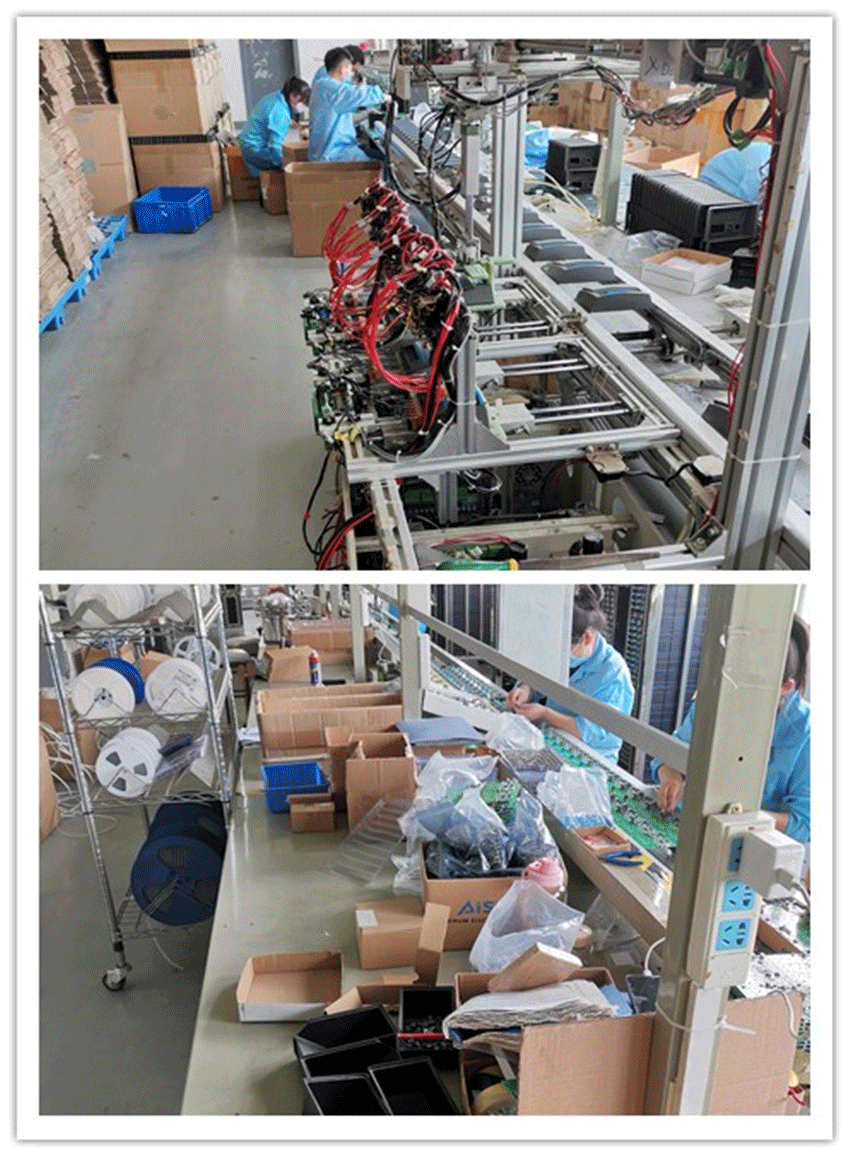
Wuhan Hanfei Technology Co., Ltd. has started! ! !
2025-09-17
On April 8, 2020, Wuhan City completely lifted the ban, and our Wuhan Hanfei also resumed production. Now welcome new and old customers to consult.
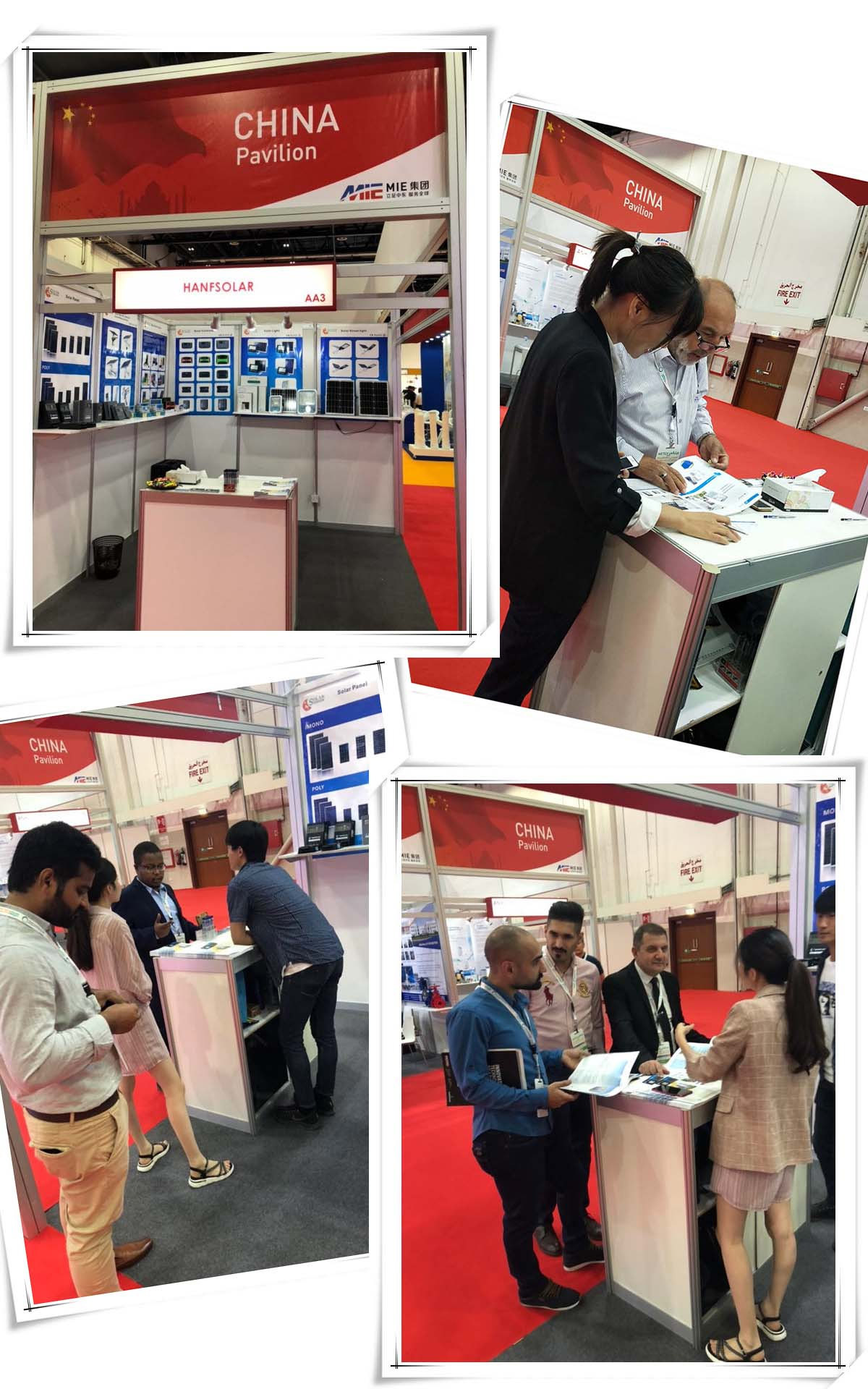
Hanfei Technology participated in the 2019 Dubai Exhibition
2025-09-17
Hanfei Technology participated in the 2019 Dubai Exhibition
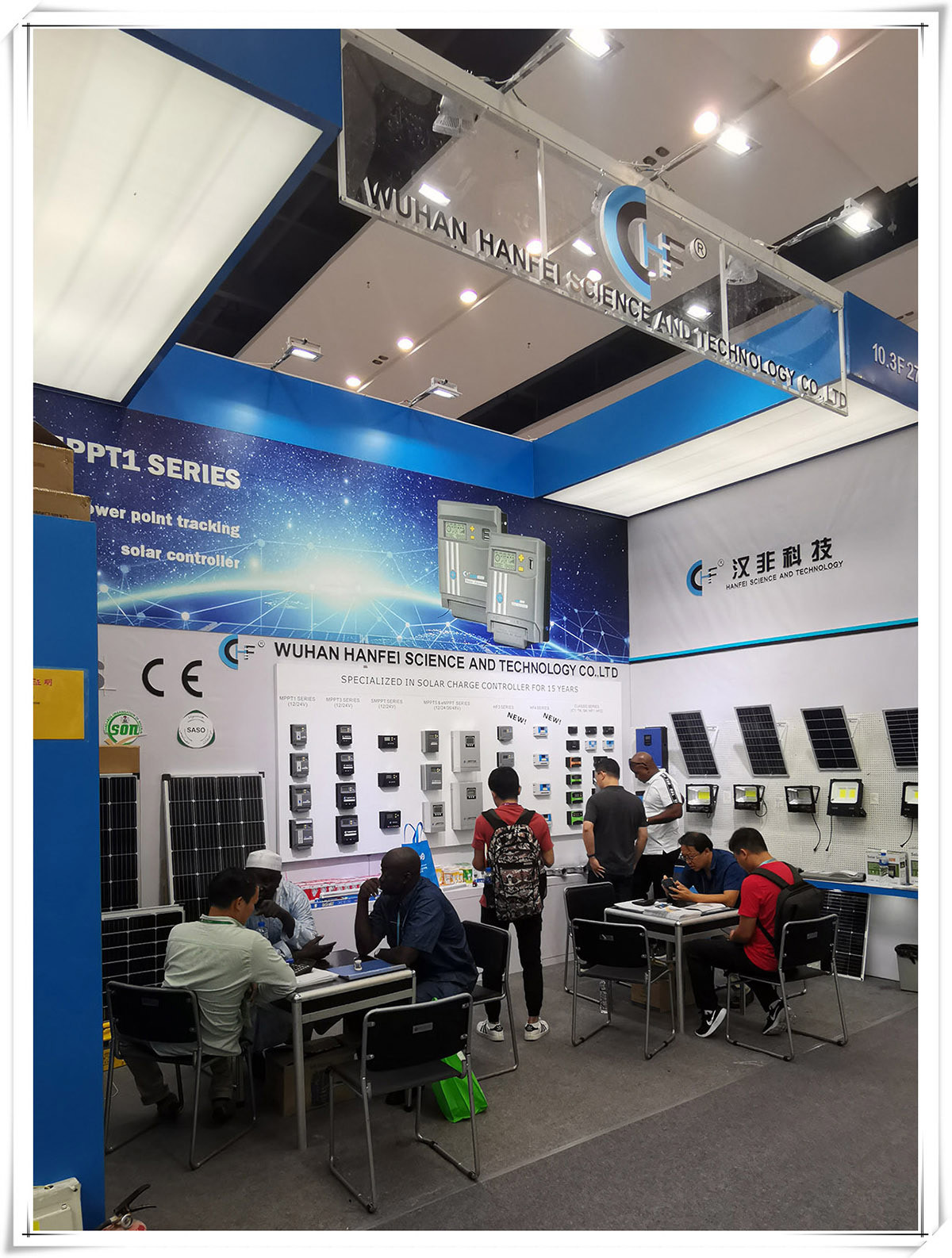
Hanfei Technology is waiting for you at the 126th Canton Fair
2025-09-17
The 126th Canton Fair was held from October 15th to May 5th in Guangzhou Pazhou Complex.


