
News and Information

Understanding Charge Controllers: A Guide for Electrical Professionals
Release date:
2023-12-09 09:24
Source:
Introduction:
In the realm of electrical engineering and low-voltage electrical systems, charge controllers play a critical role in maintaining the efficient and safe operation of various devices. From solar energy systems to battery banks, charge controllers are essential components that regulate the flow of electricity, safeguarding equipment and ensuring optimal performance. This article aims to provide electrical professionals with a comprehensive understanding of charge controllers, their importance, and the benefits they bring to low-voltage control systems.
1. What is a Charge Controller?
A charge controller, also known as a charge regulator, is an electronic device that manages and regulates the flow of electric current between power sources (such as solar panels or batteries) and the electrical load (such as appliances or other electrical devices). It serves as a bridge, preventing overcharging, over-discharging, and other potential issues that may arise from the irregular flow of electricity.
2. Importance of Charge Controllers:
Charge controllers act as guardians of electrical systems, ensuring smooth operation and protection against harmful conditions such as overvoltage, overcurrent, and short circuits. By intelligently monitoring and regulating the charging process, charge controllers prevent battery damage, extend battery life, and optimize power usage.
3. Types of Charge Controllers:
a. PWM (Pulse Width Modulation) Charge Controllers: This type of charge controller is commonly used in small to medium-scale applications. PWM controllers regulate charging by rapidly switching the power supply on and off, maintaining battery voltage at a safe level.
b. MPPT (Maximum Power Point Tracking) Charge Controllers: Ideal for larger solar systems, MPPT controllers maximize power conversion efficiency by continuously tracking the maximum power point of the solar array. They convert excess voltage into additional current, maximizing the charging capabilities.
4. Benefits of Charge Controllers:
a. Enhanced Battery Life: Charge controllers prevent batteries from overcharging or discharging excessively, preserving their lifespan and maximizing their performance.
b. Protection against Electrical Faults: By actively monitoring the power flow, charge controllers offer protection against electrical faults such as reverse current, overvoltage, and short circuits, safeguarding both the electrical equipment and the overall system.
c. Optimal Power Utilization: Charge controllers ensure that power is efficiently used and distributed to meet the electrical load requirements, minimizing energy wastage and reducing operational costs.
Conclusion:
Charge controllers are vital components in low-voltage control systems, providing protection, reliability, and efficiency. By managing power flow, they protect batteries, optimize power usage, and prevent electrical faults. As an electrical professional, understanding the different types and benefits of charge controllers is essential in designing and implementing effective electrical systems that deliver reliable and sustainable power.
In the realm of electrical engineering and low-voltage electrical systems, charge controllers play a critical role in maintaining the efficient and safe operation of various devices. From solar energy systems to battery banks, charge controllers are essential components that regulate the flow of electricity, safeguarding equipment and ensuring optimal performance. This article aims to provide electrical professionals with a comprehensive understanding of charge controllers, their importance, and the benefits they bring to low-voltage control systems.
1. What is a Charge Controller?
A charge controller, also known as a charge regulator, is an electronic device that manages and regulates the flow of electric current between power sources (such as solar panels or batteries) and the electrical load (such as appliances or other electrical devices). It serves as a bridge, preventing overcharging, over-discharging, and other potential issues that may arise from the irregular flow of electricity.
2. Importance of Charge Controllers:
Charge controllers act as guardians of electrical systems, ensuring smooth operation and protection against harmful conditions such as overvoltage, overcurrent, and short circuits. By intelligently monitoring and regulating the charging process, charge controllers prevent battery damage, extend battery life, and optimize power usage.
3. Types of Charge Controllers:
a. PWM (Pulse Width Modulation) Charge Controllers: This type of charge controller is commonly used in small to medium-scale applications. PWM controllers regulate charging by rapidly switching the power supply on and off, maintaining battery voltage at a safe level.
b. MPPT (Maximum Power Point Tracking) Charge Controllers: Ideal for larger solar systems, MPPT controllers maximize power conversion efficiency by continuously tracking the maximum power point of the solar array. They convert excess voltage into additional current, maximizing the charging capabilities.
4. Benefits of Charge Controllers:
a. Enhanced Battery Life: Charge controllers prevent batteries from overcharging or discharging excessively, preserving their lifespan and maximizing their performance.
b. Protection against Electrical Faults: By actively monitoring the power flow, charge controllers offer protection against electrical faults such as reverse current, overvoltage, and short circuits, safeguarding both the electrical equipment and the overall system.
c. Optimal Power Utilization: Charge controllers ensure that power is efficiently used and distributed to meet the electrical load requirements, minimizing energy wastage and reducing operational costs.
Conclusion:
Charge controllers are vital components in low-voltage control systems, providing protection, reliability, and efficiency. By managing power flow, they protect batteries, optimize power usage, and prevent electrical faults. As an electrical professional, understanding the different types and benefits of charge controllers is essential in designing and implementing effective electrical systems that deliver reliable and sustainable power.
Recommended News
RECOMMEND NEWS
Wuhan Hanfei Technology Co., Ltd. has started! ! !
2025-09-17
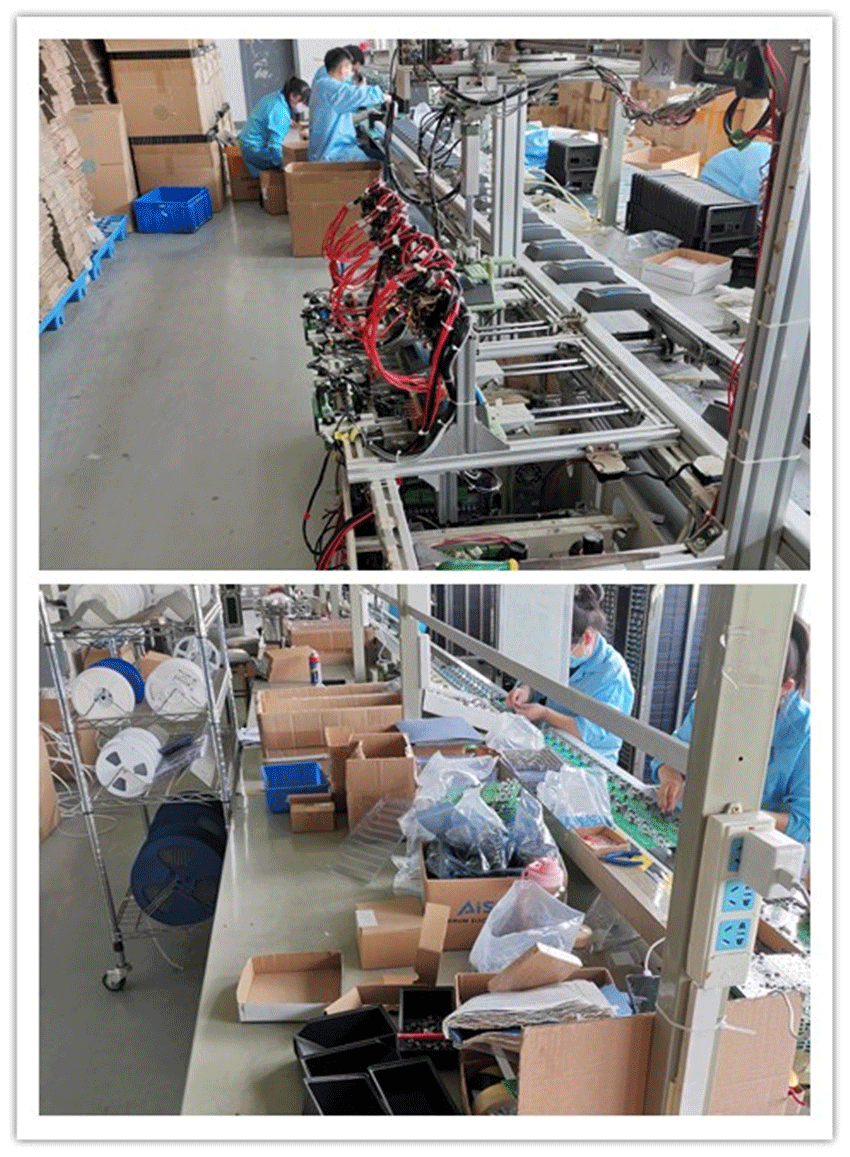
On April 8, 2020, Wuhan City completely lifted the ban, and our Wuhan Hanfei also resumed production. Now welcome new and old customers to consult.
Hanfei Technology participated in the 2019 Dubai Exhibition
2025-09-17
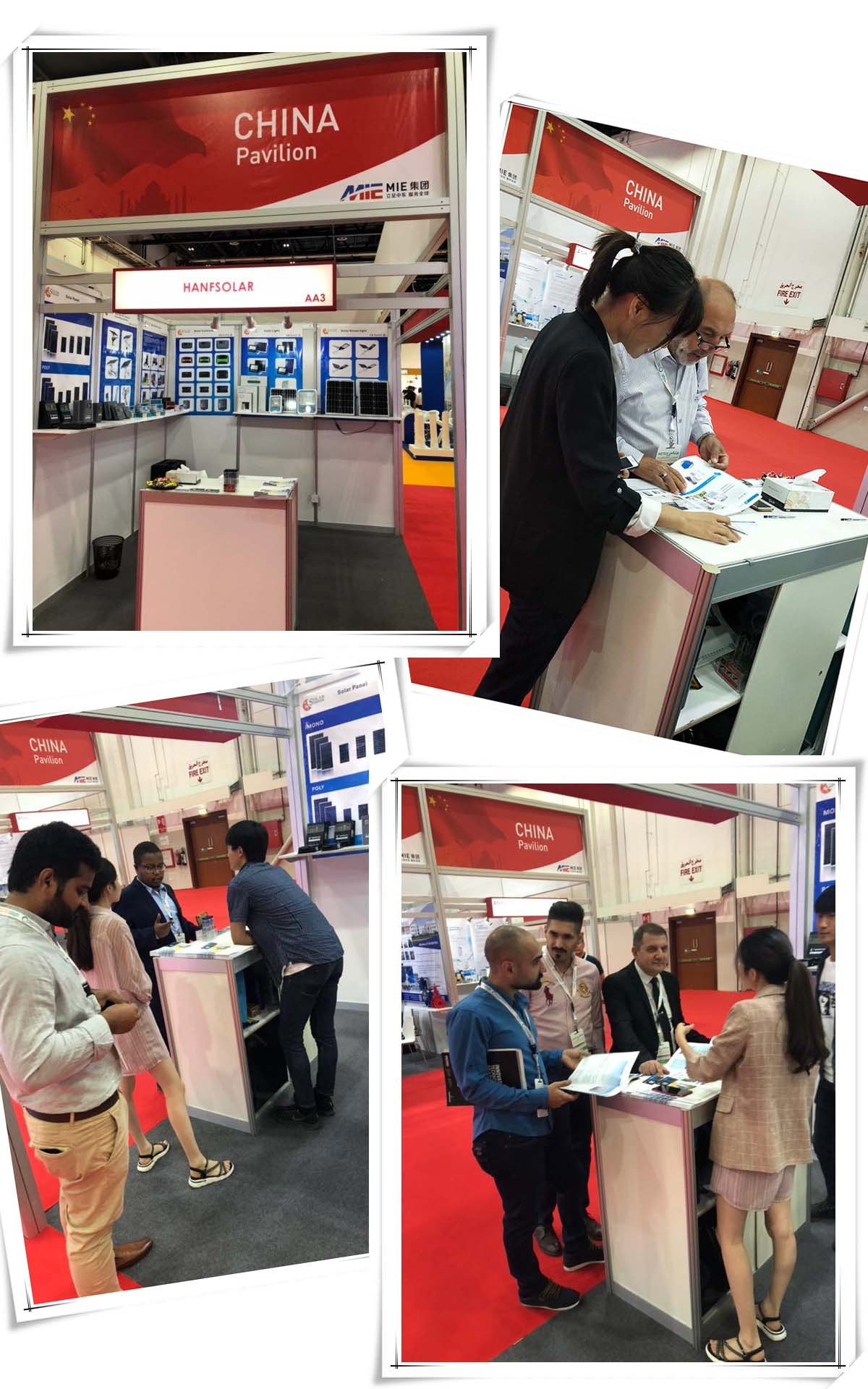
Hanfei Technology participated in the 2019 Dubai Exhibition
Hanfei Technology is waiting for you at the 126th Canton Fair
2025-09-17
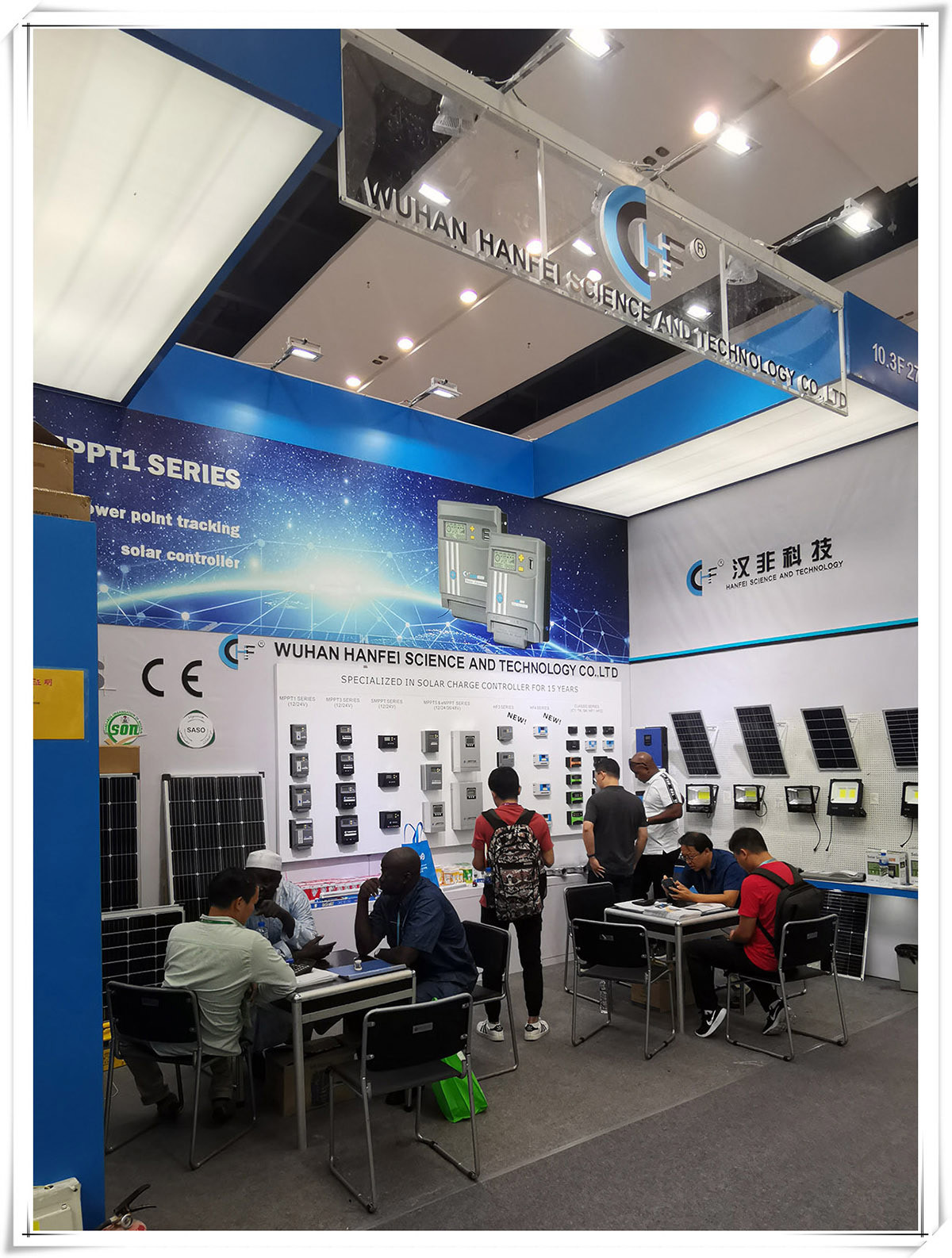
The 126th Canton Fair was held from October 15th to May 5th in Guangzhou Pazhou Complex.


