
News and Information

Understanding Charge Controllers: Essential Insights for Efficient Low-Voltage Electrical Systems
Release date:
2024-12-21 09:00
Source:
In the realm of low-voltage electrical systems, particularly in renewable energy applications, charge controllers play a pivotal role. These devices are essential for regulating the voltage and current flowing from solar panels or other sources to batteries. By ensuring that batteries are charged properly and efficiently, charge controllers help extend battery life and optimize energy usage.
A charge controller serves several critical functions. Firstly, it prevents overcharging of the batteries. When batteries are charged beyond their capacity, it can lead to excessive heat generation, potential leakage, or even failure. Charge controllers monitor the battery voltage and automatically adjust the charging process once the batteries reach their full capacity. This ensures that batteries are charged safely without risk of damage.
Secondly, charge controllers also provide protection against over-discharging. Deep discharging can harm batteries, reducing their overall lifespan. By monitoring the battery voltage and disconnecting the load when it drops below a certain threshold, charge controllers help maintain battery health. This feature is particularly important in off-grid solar power systems where battery performance is critical for sustained energy availability.
Additionally, charge controllers can provide load management by controlling the power supply to electrical devices. This capability allows users to set priorities for which devices receive power based on the availability of energy, thus enhancing overall system efficiency.
Moreover, charge controllers come in various types, including PWM (Pulse Width Modulation) and MPPT (Maximum Power Point Tracking). PWM controllers are more straightforward and cost-effective, making them suitable for basic applications. On the other hand, MPPT controllers are more advanced, capable of maximizing energy harvest from solar panels, especially in varying weather conditions. This makes them ideal for systems that require higher efficiency.
When selecting a charge controller, it is essential to consider the system's voltage, the total current output from the solar panels, and the capacity of the batteries. Ensuring compatibility among these components can significantly enhance the performance and longevity of the entire electrical system.
In summary, charge controllers are invaluable in managing the flow of energy in low-voltage electrical systems. They not only safeguard batteries from overcharging and discharging but also optimize energy use through effective load management. Understanding the functionalities and benefits of charge controllers is crucial for anyone involved in electrical installations, particularly in renewable energy applications. By investing in the right charge controller, you can ensure a reliable and efficient power supply while prolonging the lifespan of your battery systems.
Recommended News
RECOMMEND NEWS
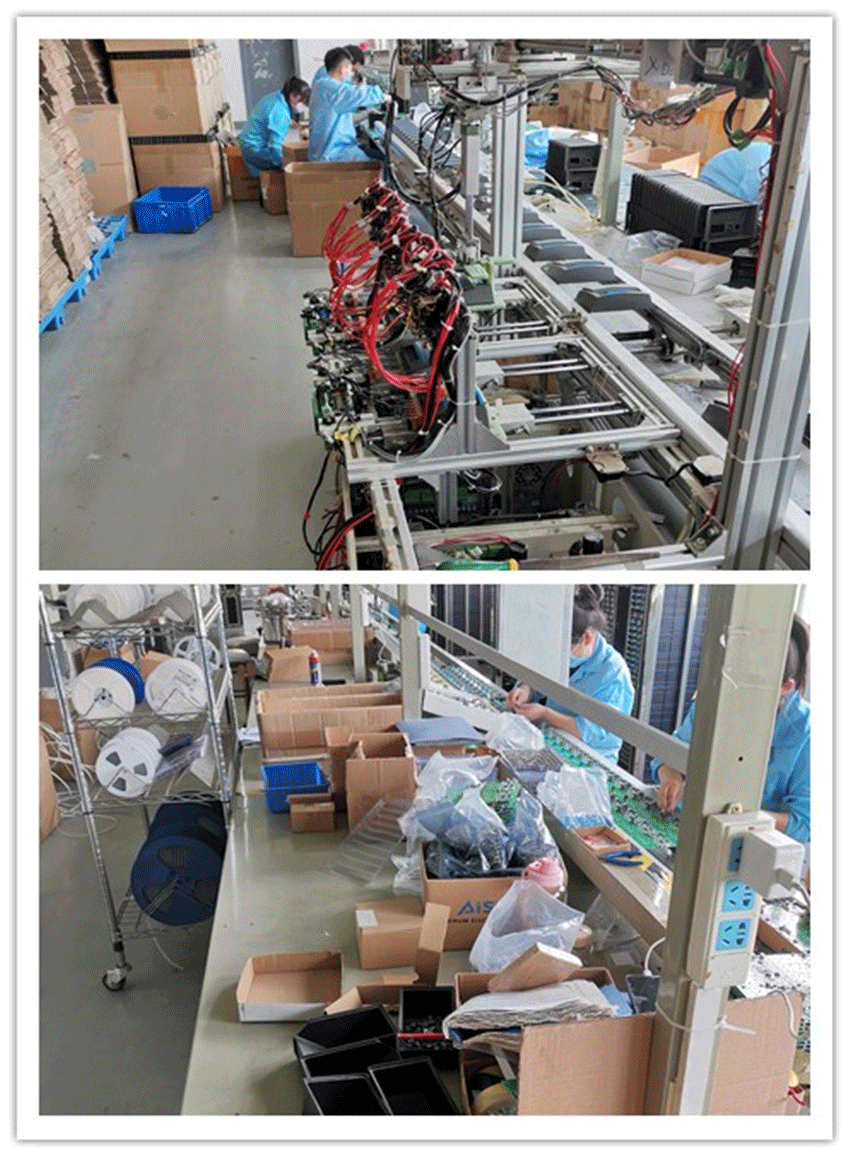
Wuhan Hanfei Technology Co., Ltd. has started! ! !
2025-09-17
On April 8, 2020, Wuhan City completely lifted the ban, and our Wuhan Hanfei also resumed production. Now welcome new and old customers to consult.
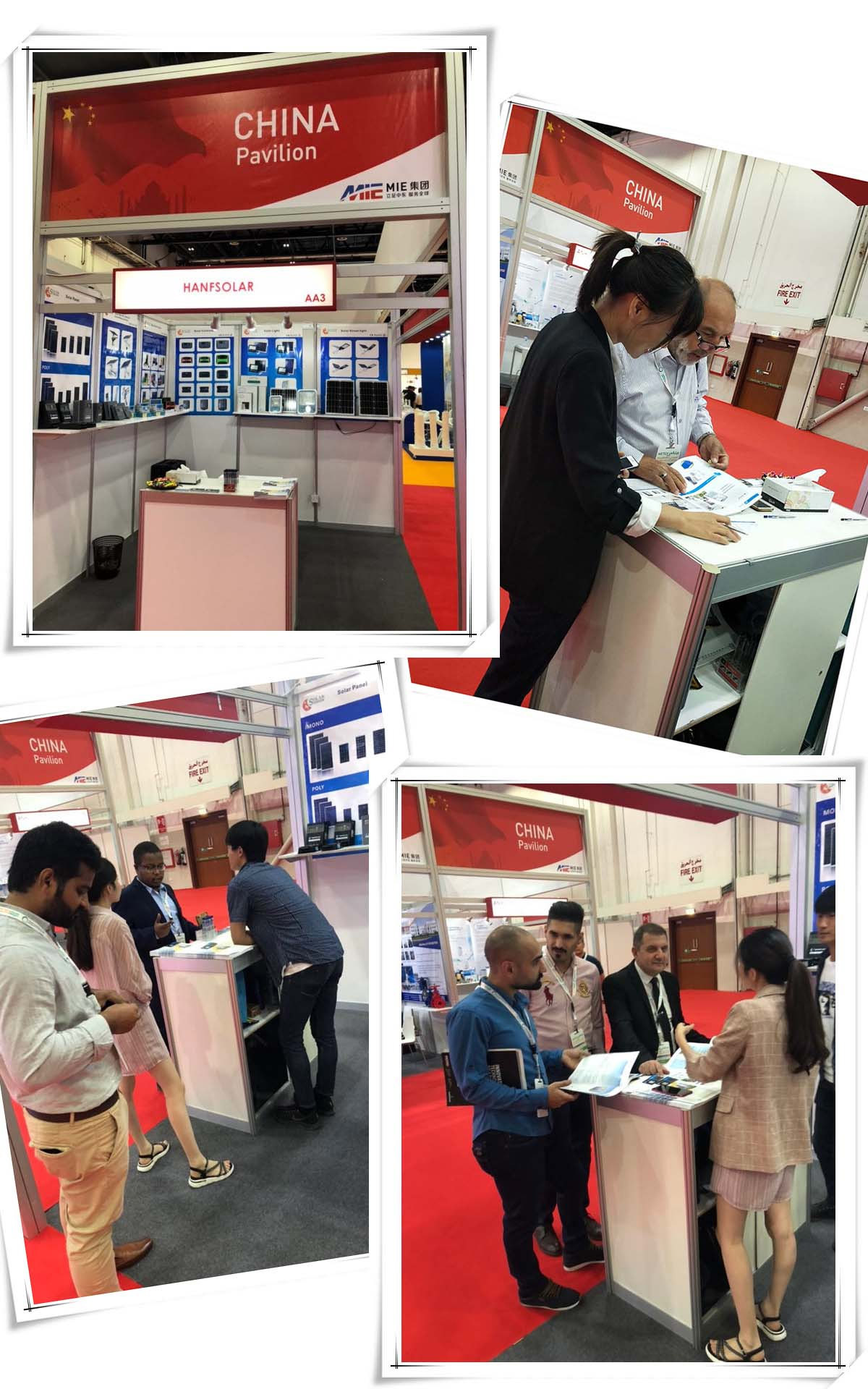
Hanfei Technology participated in the 2019 Dubai Exhibition
2025-09-17
Hanfei Technology participated in the 2019 Dubai Exhibition
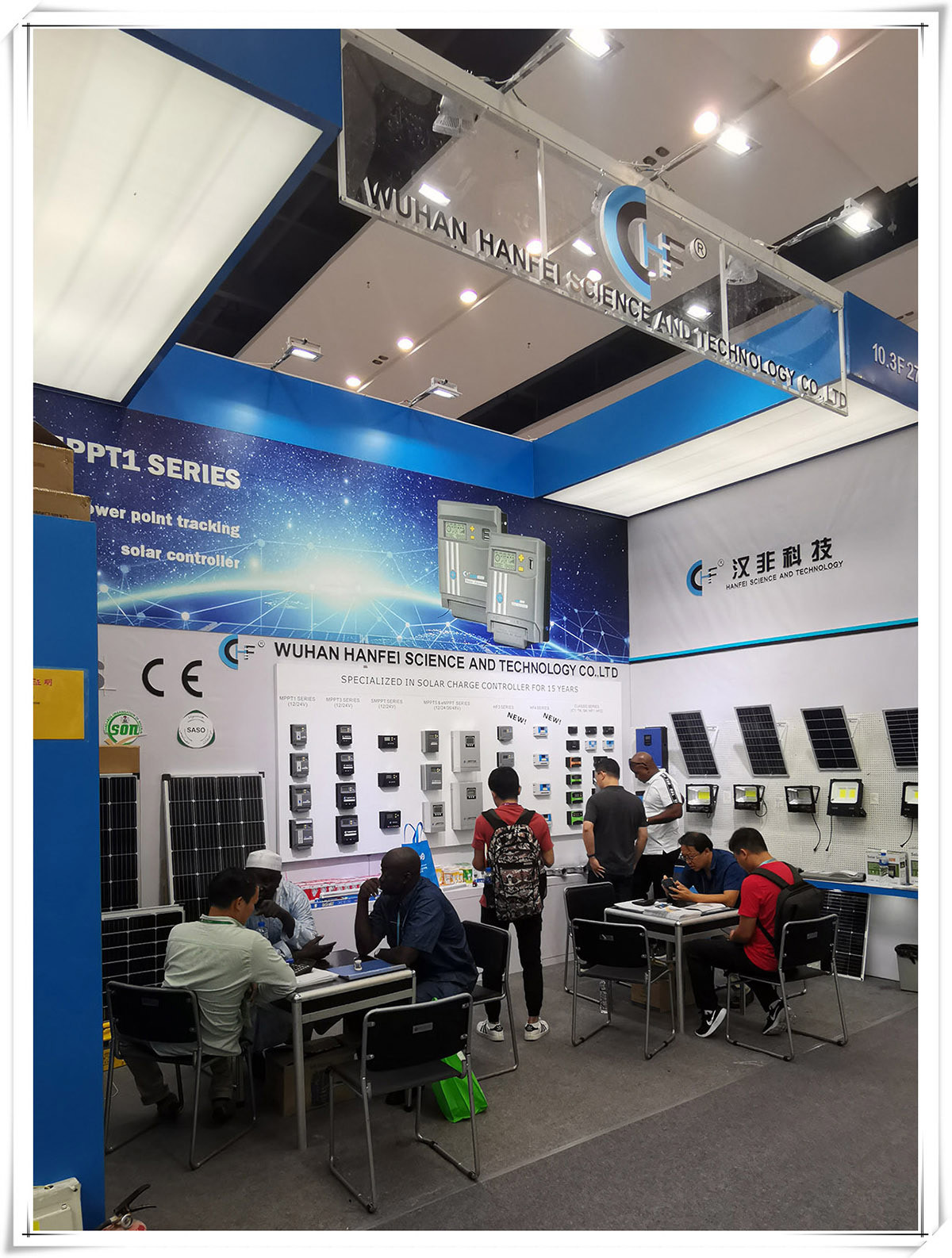
Hanfei Technology is waiting for you at the 126th Canton Fair
2025-09-17
The 126th Canton Fair was held from October 15th to May 5th in Guangzhou Pazhou Complex.


