
News and Information

Understanding PWM Controller: Exploring the Basics of Low Voltage Control in Electrical Engineering
Release date:
2023-11-19 09:40
Source:
As an integral part of the electrical engineering industry, low voltage control systems rely on various components for efficient operation. One such crucial component is the PWM controller. In this article, we will explore the basics of PWM controllers, their functionalities, and their significance in low voltage control systems.
What is a PWM Controller?
A PWM (Pulse Width Modulation) controller is a device that regulates the power supplied to electrical devices by controlling the duty cycle of the input voltage. The duty cycle refers to the ratio of the time period during which the power is on, compared to the total time period. By swiftly switching the power on and off, PWM controllers can precisely regulate the average power delivered to the connected device.
How Does a PWM Controller Work?
PWM controllers work by rapidly switching the input power on and off at a fixed frequency. The duration for which the power is switched on and off during each cycle determines the average power delivered. By adjusting the width of the on and off periods, the controller effectively controls the output power. This process allows for precise control over the connected electrical devices, ensuring optimal performance while minimizing energy loss.
Applications of PWM Controllers:
PWM controllers find extensive use in various low voltage control systems. Some common applications include:
1. Motor Speed Control: PWM controllers are widely employed in motor control systems to regulate the speed of motors accurately. By adjusting the duty cycle, the controller can control the average power delivered to the motor, thereby controlling its speed.
2. LED Dimming: LED lighting systems often utilize PWM controllers to achieve dimming functionality. By rapidly switching the power on and off, the controller can adjust the brightness of the LEDs.
3. Power Supplies: PWM controllers are also used in power supply systems to regulate the voltage output. By adjusting the duty cycle, the controller ensures a stable and reliable power supply.
Benefits of PWM Controllers:
1. Efficiency: PWM controllers offer high efficiency by regulating the power delivered to the connected devices, reducing energy wastage.
2. Precise Control: The ability to adjust the duty cycle enables precise control over the output power, allowing for optimal performance of electrical devices.
3. Cost-effectiveness: PWM controllers provide an economical solution for controlling power in low voltage control systems, ensuring efficient operation while minimizing costs.
In conclusion, PWM controllers play a vital role in low voltage control systems within the electrical engineering industry. Through their ability to regulate power delivery with high precision, these devices enable efficient and optimal performance of various electrical devices, including motor speed control, LED dimming, and power supplies. Understanding the fundamentals of PWM controllers enhances one's knowledge of low voltage control systems and their applications in diverse industries.
What is a PWM Controller?
A PWM (Pulse Width Modulation) controller is a device that regulates the power supplied to electrical devices by controlling the duty cycle of the input voltage. The duty cycle refers to the ratio of the time period during which the power is on, compared to the total time period. By swiftly switching the power on and off, PWM controllers can precisely regulate the average power delivered to the connected device.
How Does a PWM Controller Work?
PWM controllers work by rapidly switching the input power on and off at a fixed frequency. The duration for which the power is switched on and off during each cycle determines the average power delivered. By adjusting the width of the on and off periods, the controller effectively controls the output power. This process allows for precise control over the connected electrical devices, ensuring optimal performance while minimizing energy loss.
Applications of PWM Controllers:
PWM controllers find extensive use in various low voltage control systems. Some common applications include:
1. Motor Speed Control: PWM controllers are widely employed in motor control systems to regulate the speed of motors accurately. By adjusting the duty cycle, the controller can control the average power delivered to the motor, thereby controlling its speed.
2. LED Dimming: LED lighting systems often utilize PWM controllers to achieve dimming functionality. By rapidly switching the power on and off, the controller can adjust the brightness of the LEDs.
3. Power Supplies: PWM controllers are also used in power supply systems to regulate the voltage output. By adjusting the duty cycle, the controller ensures a stable and reliable power supply.
Benefits of PWM Controllers:
1. Efficiency: PWM controllers offer high efficiency by regulating the power delivered to the connected devices, reducing energy wastage.
2. Precise Control: The ability to adjust the duty cycle enables precise control over the output power, allowing for optimal performance of electrical devices.
3. Cost-effectiveness: PWM controllers provide an economical solution for controlling power in low voltage control systems, ensuring efficient operation while minimizing costs.
In conclusion, PWM controllers play a vital role in low voltage control systems within the electrical engineering industry. Through their ability to regulate power delivery with high precision, these devices enable efficient and optimal performance of various electrical devices, including motor speed control, LED dimming, and power supplies. Understanding the fundamentals of PWM controllers enhances one's knowledge of low voltage control systems and their applications in diverse industries.
Recommended News
RECOMMEND NEWS
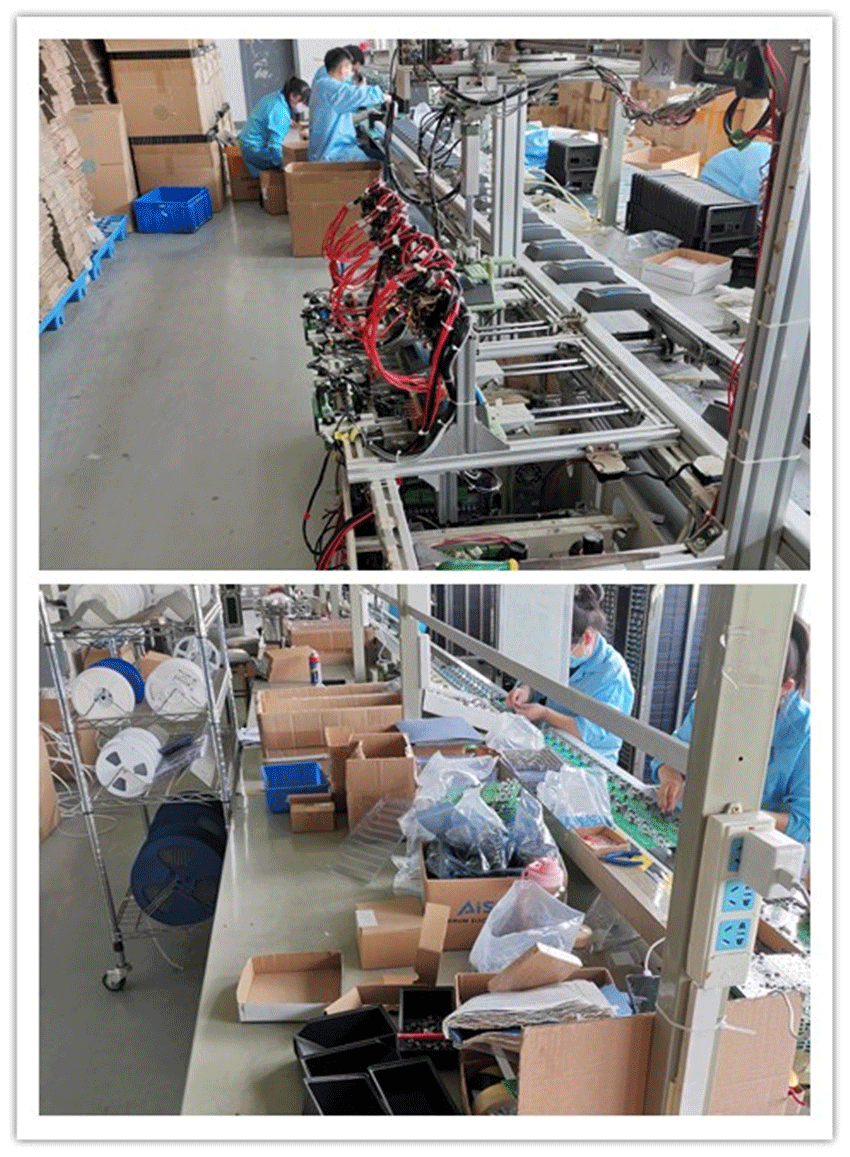
Wuhan Hanfei Technology Co., Ltd. has started! ! !
2025-09-17
On April 8, 2020, Wuhan City completely lifted the ban, and our Wuhan Hanfei also resumed production. Now welcome new and old customers to consult.
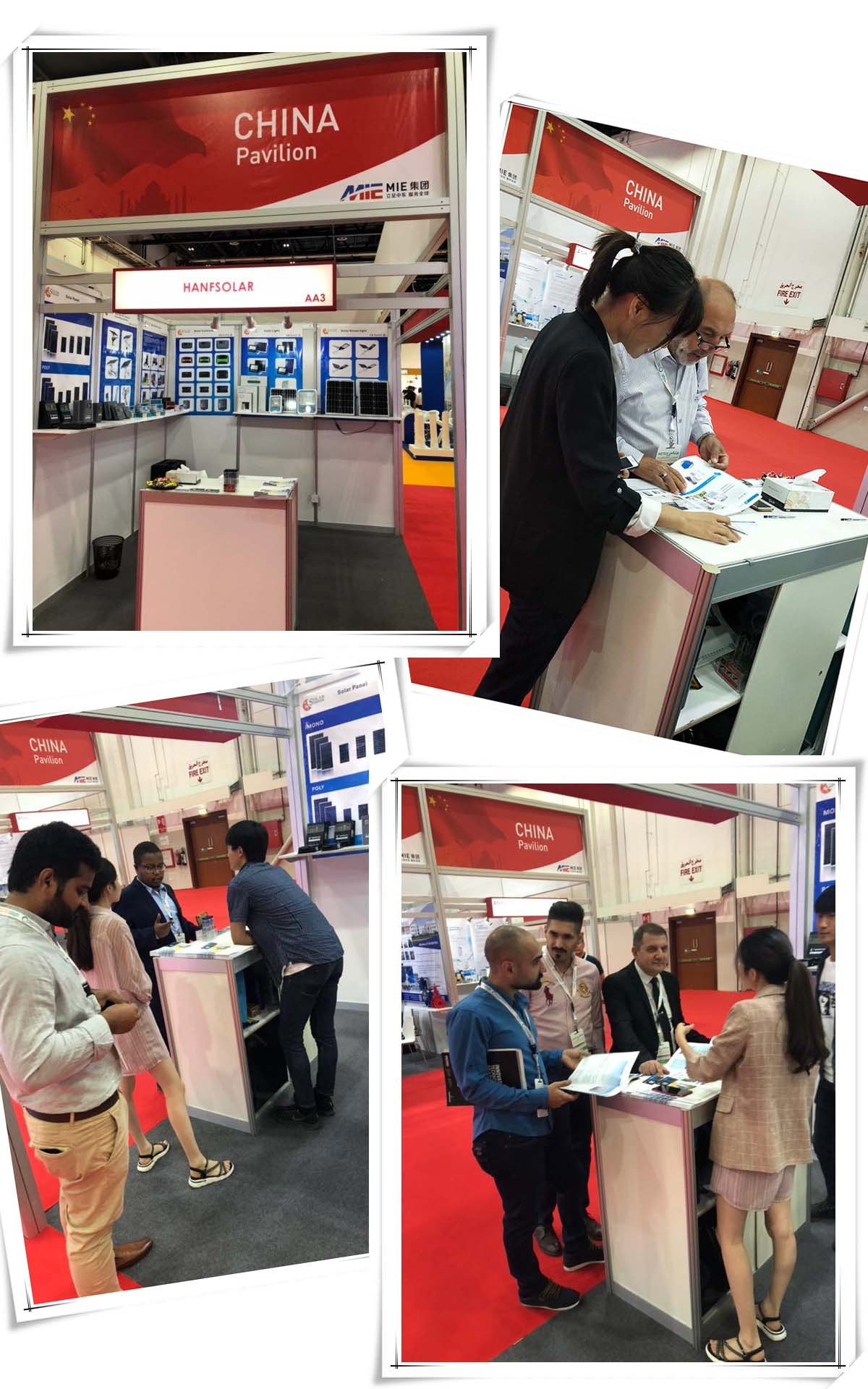
Hanfei Technology participated in the 2019 Dubai Exhibition
2025-09-17
Hanfei Technology participated in the 2019 Dubai Exhibition
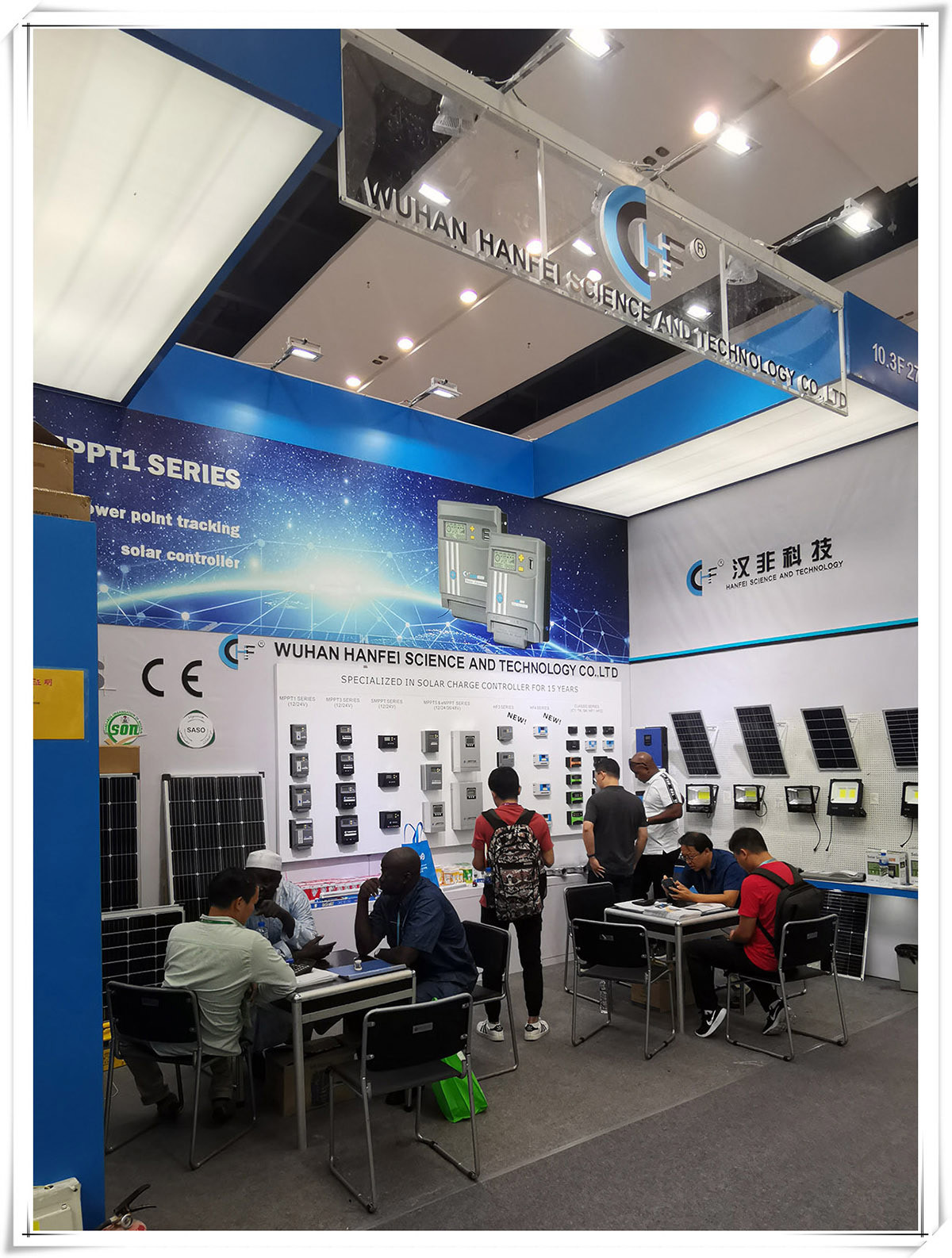
Hanfei Technology is waiting for you at the 126th Canton Fair
2025-09-17
The 126th Canton Fair was held from October 15th to May 5th in Guangzhou Pazhou Complex.


