
News and Information

Understanding Solar Regulators: Essential Components for Efficient Solar Power Management
Release date:
2024-09-22 09:01
Source:
Solar regulators, also known as solar charge controllers, play a crucial role in managing the energy produced by solar panels. These devices safeguard the batteries in a solar power system by regulating the voltage and current coming from the solar panels. As professionals in the electrical and low-voltage control sectors, understanding the functionality and significance of solar regulators is paramount for ensuring the efficiency and longevity of solar energy systems.
The primary function of a solar regulator is to prevent overcharging and deep discharging of batteries. When solar panels generate electricity, the energy produced must be optimally stored in batteries for later use. Without a regulator, excess voltage from the panels can lead to battery damage, reducing their lifespan and efficiency. Solar regulators monitor the battery's charge level and adjust the flow of electricity accordingly, ensuring that batteries are charged safely and efficiently.
There are two main types of solar regulators: PWM (Pulse Width Modulation) and MPPT (Maximum Power Point Tracking). PWM regulators are more straightforward and cost-effective, making them suitable for smaller solar installations. They work by connecting the solar panel directly to the battery and modulating the charge current. In contrast, MPPT regulators are more advanced and can maximize energy output by adjusting the voltage to capture the maximum power available from solar panels. This makes them ideal for larger, more complex systems where efficiency is critical.
Implementing a solar regulator not only enhances the performance of solar power systems but also improves safety. By preventing overcharging, these regulators minimize the risk of fire hazards and battery failures. Furthermore, they contribute to overall system efficiency, allowing users to maximize the benefits of their solar investment.
In addition to enhancing safety and performance, solar regulators also provide valuable data on energy production and consumption. Many modern regulators come equipped with monitoring features, allowing users to track their energy usage in real time. This data can be invaluable for professionals looking to optimize system performance and make informed decisions about energy management.
In conclusion, solar regulators are a vital component of solar power systems, ensuring efficient energy management and battery protection. By understanding their functionality and advantages, professionals in the electrical and low-voltage control industry can better design and implement solar energy solutions. Investing time in learning about solar regulators will lead to improved system performance, enhanced safety, and increased longevity of solar energy systems.
Recommended News
RECOMMEND NEWS
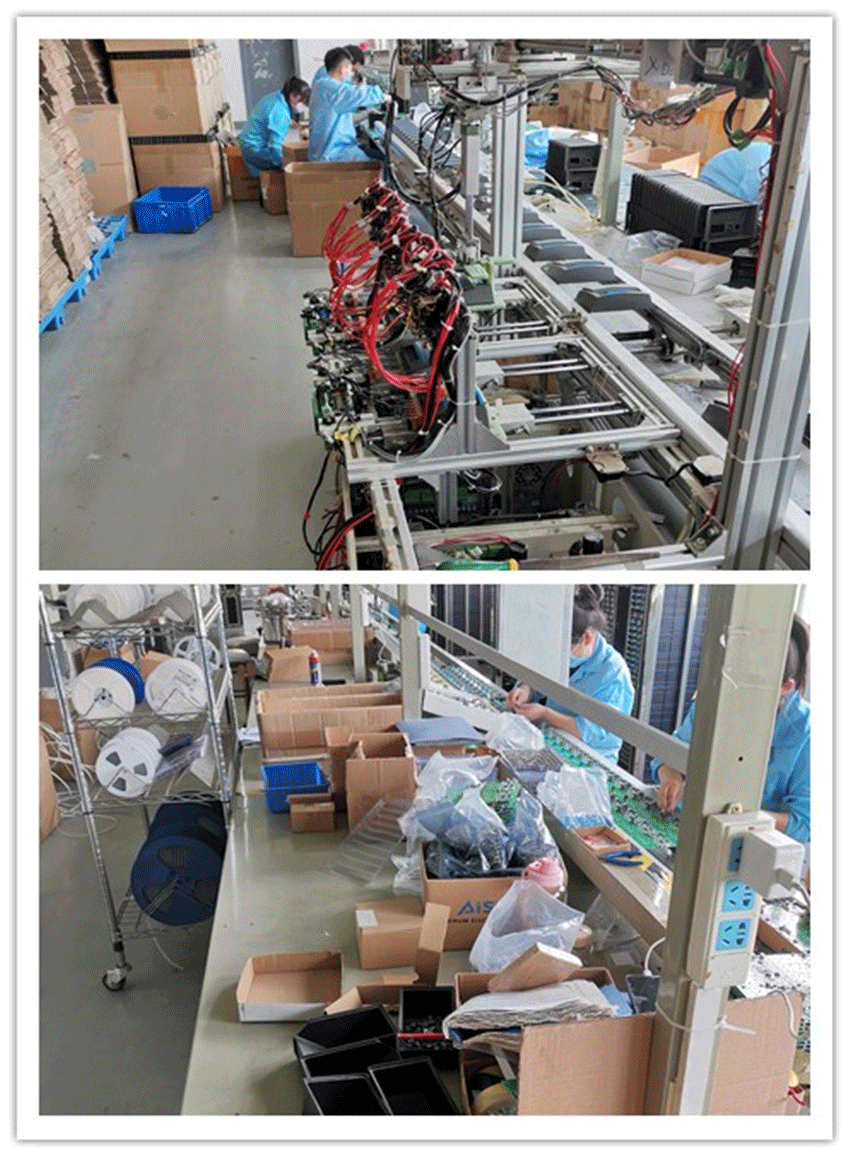
Wuhan Hanfei Technology Co., Ltd. has started! ! !
2025-09-17
On April 8, 2020, Wuhan City completely lifted the ban, and our Wuhan Hanfei also resumed production. Now welcome new and old customers to consult.

Hanfei Technology participated in the 2019 Dubai Exhibition
2025-09-17
Hanfei Technology participated in the 2019 Dubai Exhibition
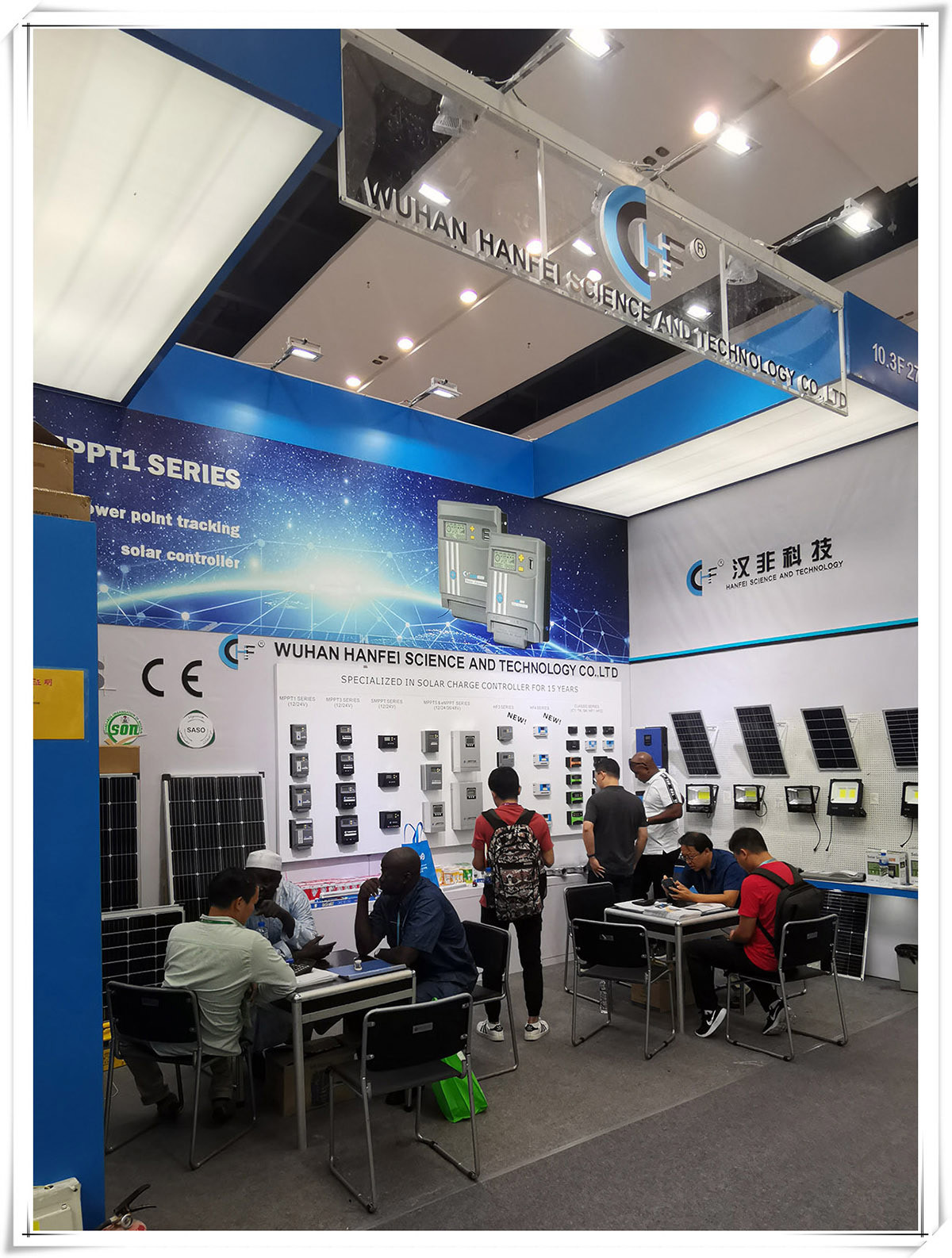
Hanfei Technology is waiting for you at the 126th Canton Fair
2025-09-17
The 126th Canton Fair was held from October 15th to May 5th in Guangzhou Pazhou Complex.


